

Electrostatic separators, critical devices in the recycling industry and mineral processing, harness the power of electric fields to separate materials according to their electrical properties.
BSGH Granulator is a professional waste recycling machine manufacturing company that has been engaged in the field of waste recycling for more than 25 years. Our company not only adopts cutting-edge separation technology, but also has a excellent product system that can solve all your problems in the field of waste recycling.
Our company is located in Taizhou, Zhejiang Province, with a factory area of more than 60,000 square meters and more than 500 outstanding employees. It is one of the best waste recycling machine manufacturing companies in China. The machines of our company are very popular in China, occupying 70% of the Chinese market. Moreover, we have customers from all over the world, with a repurchase rate of over 60%.
High Quality
Our machine parts are made of high-quality materials during the production process. The blades of the machine's crusher are made of stainless steel blades that are wear-resistant, high toughness, and corrosion-resistant, ensuring that the machine does not need to replace the blades within one year.
Advanced Technology
The R&D department of our company has been developing and making breakthroughs in new technologies. Our latest double separation technology is used in various medium and large cable granulator machines. It can separate the copper wire more thoroughly and process your cables more efficiently and quickly.
Complete Service
Our company has a perfect service system. Whether it is understanding customer needs before sales, recommending the most suitable cable granulator machine to customers, or explaining installation methods and maintenance knowledge to customers after the machine is delivered, we have professional business personnel to serve you.
Market Validation
Our cable granulator machine has been produced and sold in China for more than 20 years. It has become the best-selling cable granulator machine in China, occupying 70% of the market. Our machines are reliable and high-quality machines that have been proven in the market. After purchasing the cable granulator machine, our customers can recover the machine cost and start making a profit in just one year at most.
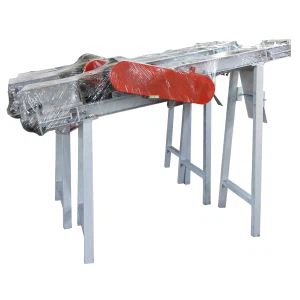
Magnetic Separator Machine
A Magnetic Separator Machine is a piece of equipment that magnetically attracts and removes foreign metal pieces from other materials. They are typically installed in a line of flowing materials and can be used in conjunction with metal detectors and x-ray machines for maximum defense against contamination and damage to expensive equipment. A Magnetic Separator Machine can vary greatly in size, configuration, and how they operate, depending on the industry and product in which they are intended for. It is commonly used in industries such as ore extraction, waste treatment, and food processing.

Electrostatic Separator Machine
An Electrostatic Separator Machine is an advanced piece of recycling equipment. It uses the principle of electrostatic charging to divide mixed materials into their individual components. Typical examples include separating mixed plastics or separating minerals from each other. At its core, an Electrostatic Separator Machine works based on the principle of different materials having distinct reactions to electric fields. When a mixture enters the Electrostatic Separator Machine, it's exposed to an electric field. Each material in the mixture responds differently; some will be attracted, some repelled, while others remain unaffected. By harnessing these varying reactions, the separation machine can effectively segregate individual components.

A Hydraulic Metal Shear is a specialized piece of equipment designed to cut metal plates with precision. It operates by using a moving upper blade and a fixed lower blade to apply a shearing force to metal plates of varying thicknesses. This process results in the separation of the metal plates into desired sizes, achieved by utilizing an appropriate blade clearance. This machine is widely utilized in various industries due to its precision, efficiency, and ability to handle different thicknesses of metal materials.

Blade Sharpening Machine Feasures
1.Small and beautiful surface.
2.Assemble with our cable granulator recycling plant.
3.Easy operate and high efficiency.

Big Electrostatic Separator Features:
1.Big electrostatic separating machine processing capacity is 200-300KG/H.
2.Including dust collection parts, feeding hole, one plastic outlet and one copper outlet,very unique structure.

Feeding Hopper For Cable Granulator
BSGH manufacturer is a professional copper recycling machine provider in China, and we provide you with high-quality copper recycling machines and the best services.Feeding hopper machine mainly is assembled with our copper wire granulator machine for easy recycling of copper from scrap wire cables;

BSGH is a professional ACSR wire chopper machinery manufacturer, produces all kinds of ACSR cable chopper recycling machines, besides ACSR wire stripper machines, ACSR recycling plant wire chopping, and separating machines.

1. BSGH factory direct sales steel bar crushing recycling machine;
2. Light-weight, high working efficiency, and strong reliability;
3. High degree of automation, reducing labor intensity and saving labor costs;
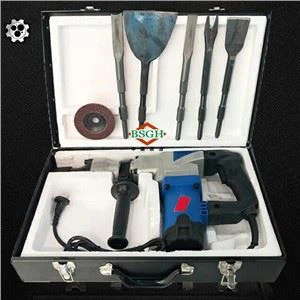
1. Industrial quality, all-steel forging, durable, high hardness and high wear resistance;
2. Can be used for recycling and dismantling, high efficiency, saving time and effort;
Electrostatic separators, critical devices in the recycling industry and mineral processing, harness the power of electric fields to separate materials according to their electrical properties. As material particles pass through these separators, they become electrically charged due to the influence of a high-voltage electric field. The degree of charging varies depending upon the properties of the material. Consequently, this variation in charging is exploited to achieve separation.
High Separation Efficiency
Electrostatic separators offer a high degree of separation efficiency, capable of separating materials with even slight differences in electrical conductivity. This results in reduced waste and improved product quality.
Environmentally Friendly
As a dry separation process, electrostatic separation does not require the use of water or chemicals, reducing the environmental impact of the operation. Additionally, the process helps promote recycling efforts, further contributing to environmental sustainability.
Energy-Efficient
Electrostatic separators consume relatively low amounts of energy compared to other separation methods, making them a more energy-efficient option for industries looking to minimize their energy consumption.
Versatile
The technology can be used to process a wide range of feed materials and particle sizes, making it suitable for various industries and applications, offering a flexible solution to material separation challenges.
Electrostatic Separators have a wide range of applications across various industries. Some of the most prominent examples include:
Mineral Processing
In the mining industry, electrostatic separation is employed to separate valuable minerals from the gangue. This method is particularly effective for dry, granular materials and has been used to separate minerals like zircon, rutile, and ilmenite from their associated impurities.
Recycling
Electrostatic separators play a crucial role in recycling processes, where they help separate different types of materials, such as plastics and metals, from mixed waste streams. They are also used to recover valuable metals like copper and aluminum from electronic waste.
Waste Management
In the waste management sector, electrostatic separators can separate organic materials from inorganic waste, enabling more efficient recycling and disposal processes.
Air Pollution Control
Electrostatic precipitators, a variation of electrostatic separators, are used in industrial processes to remove particulate matter and dust from exhaust gas streams, thus reducing air pollution.
A typical electrostatic separator consists of several key components that work together to achieve effective material separation. These components include:
Feeding System
This component is responsible for delivering the material to be separated into the separator. It often includes a vibrating feeder or a conveyor belt to ensure a consistent and controlled flow of particles.


High Voltage Generator
The high voltage generator produces the electric field necessary for the separation process. It supplies the required voltage to the electrode system, which can range from several kilovolts to tens of kilovolts, depending on the specific application and materials being separated.
Electrode System
The electrode system consists of a series of electrodes that generate the electric field within the separator. This field induces charges on the particles, causing them to separate based on their electrical conductivity.

Discharge System
Once the particles have been separated, the discharge system collects and removes them from the separator. This may include a series of hoppers, chutes, or conveyor belts that transport the separated materials to their respective storage or processing areas.
How Electrostatic Separators Work
At its core, an electrostatic separator works based on the principle of different materials having distinct reactions to electric fields. When a mixture enters the electrostatic separator, it's exposed to an electric field. Each material in the mixture responds differently; some will be attracted, some repelled, while others remain unaffected. By harnessing these varying reactions, the separator can effectively segregate individual components.
Charging the Particles
When the waste material is fed into the Electrostatic Separator, it is evenly distributed on a vibrating feeder and transferred onto a rotating drum electrode. This drum, characterized by high voltage direct current, charges the particles due to the strong electric field between the drum and a grounded electrode.
Triggering the Corona Effect
The charged particles then move into an area where an electric field is present. The particles with higher conductivity lose their charge faster and regain it slower, leading to a phenomenon called the corona effect.
Separating Particles
The separation of particles is based on their trajectory. The charged particles are driven by the combined influence of both electrostatic and gravitational forces. The highly conductive particles follow curved trajectories, while the less conductive ones follow a relatively straight path, leading to separation.
As with any industrial equipment, proper maintenance and safety measures are crucial to ensure the reliable and safe operation of Electrostatic Separators. Some of the key aspects to consider include:
Regular Inspection
Inspect the Electrostatic Separator components regularly to identify any signs of wear, damage, or corrosion. Early detection of potential issues can help prevent equipment failure and costly downtime.
Cleaning and Maintenance
Keep the Electrostatic Separator clean and well-maintained to ensure optimal performance. This includes cleaning the electrodes, conveyor belt, and other components as required, as well as replacing worn or damaged parts.
Safety Precautions
As high voltages are involved in the operation of electrostatic separators, it is crucial to follow safety guidelines and procedures. This may include installing safety interlocks, grounding the equipment, and providing appropriate training to operators.


Electrostatic separation is a technique that uses electric fields to separate different minerals based on their electrical conductivity or charge. It can be an effective and efficient way to recover valuable metals and minerals from ore, waste, or recycled materials. However, it also poses some environmental and safety challenges that need to be addressed. Here is how to deal with the most common issues of electrostatic separation, such as dust generation, fire hazards, noise pollution, and waste management.
Dust Generation
One of the main problems of electrostatic separation is the generation of fine dust particles that can affect the air quality and the health of the workers and the surrounding communities. Dust can also reduce the efficiency and performance of the separators by interfering with the electric fields and the particle trajectories. To prevent or minimize dust generation, you should use appropriate feed preparation methods, such as crushing, screening, and drying, to reduce the size and moisture content of the material. You should also install dust collection and suppression systems, such as filters, cyclones, fans, and sprays, to capture and remove the dust from the air stream. Additionally, you should wear personal protective equipment, such as masks, goggles, and gloves, to protect yourself from dust exposure.
Fire Hazards
Another risk of electrostatic separation is the possibility of fire or explosion due to the accumulation of static electricity or sparks in the separators or the dust collectors. This can be especially dangerous if the material being processed is flammable or combustible, such as coal, wood, or plastics. To prevent or reduce fire hazards, you should follow some safety measures, such as grounding the separators and the dust collectors, using non-sparking materials and tools, avoiding friction and contact between the particles and the electrodes, and monitoring the temperature and humidity of the environment. You should also have fire extinguishers, alarms, and emergency plans in place in case of a fire incident.
Noise Pollution
Electrostatic separation can also produce high levels of noise that can be harmful to the hearing and the well-being of the workers and the neighbors. Noise can be generated by the electric discharge, the vibration of the separators, and the movement of the material. To prevent or reduce noise pollution, you should use noise reduction and isolation devices, such as mufflers, enclosures, and barriers, to attenuate the sound waves. You should also limit the operating time and frequency of the separators, and maintain them regularly to avoid malfunctions and defects. Moreover, you should wear ear protection, such as earplugs or earmuffs, to prevent hearing damage.
Waste Management
Finally, electrostatic separation can also create waste streams that need to be disposed of or treated properly to avoid environmental contamination and legal penalties. Waste streams can include dust, sludge, water, and non-conductive or non-valuable fractions of the material. To prevent or reduce waste generation, you should optimize the separation efficiency and selectivity of the separators by adjusting the operating parameters, such as voltage, current, frequency, and electrode configuration. You should also recycle or reuse the waste streams whenever possible, or find alternative applications for them, such as construction materials, fertilizers, or fuels. If recycling or reuse is not feasible, you should follow the regulations and guidelines for waste disposal or treatment, such as landfilling, incineration, or bioremediation.
Hot Tags: electrostatic separators, manufacturers, suppliers, factory, wholesale, buy, customized, cheap, distributor, dealer, low price, for sale, best quality